
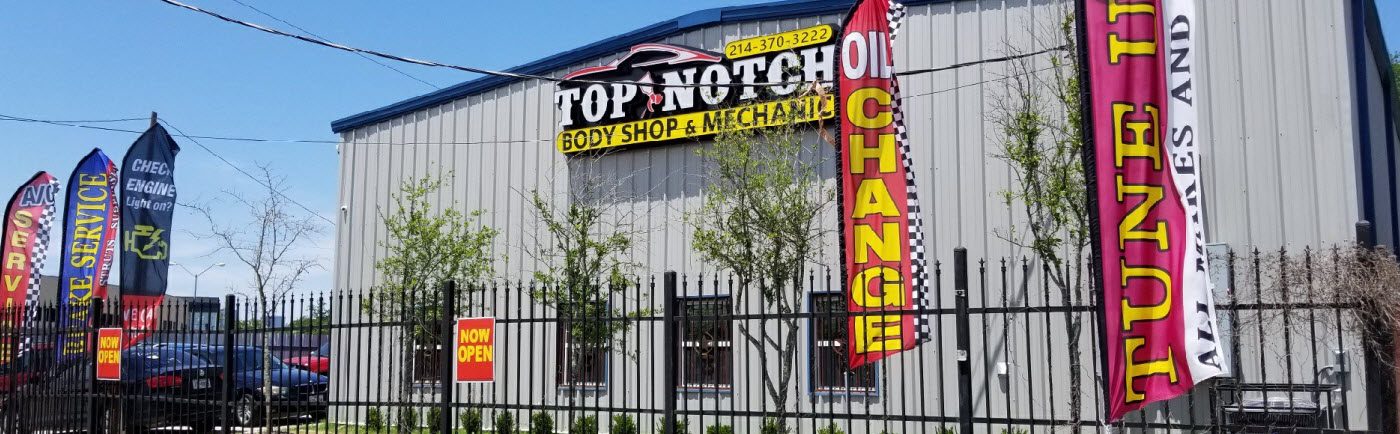
Modern vehicles are equipped with modern computer systems that monitor nearly every aspect of their operation. From the engine and transmission to brakes and emissions, these systems generate data that can be analyzed to detect problems before they become major issues. This is where car diagnostic tests come in. If you have ever wondered what happens when your car is hooked up to a diagnostic scanner, Top Notch Body Shop & Mechanic will share a detailed explanation of how the process works.
What is a Car Diagnostic Test?
A car diagnostic test is a procedure that identifies problems in your vehicle’s systems using specialized tools and technology. These tests are typically performed using an OBD-II (On-Board Diagnostics) scanner, which connects to your car’s computer system to retrieve diagnostic codes.
• OBD-II: Standardized system used in most vehicles manufactured after 1996.
• Diagnostic Trouble Codes (DTCs): Codes generated by your car’s computer to indicate a specific problem.
A diagnostic test helps technicians pinpoint issues quickly, saving time and preventing unnecessary repairs.
How a Car Diagnostic Test Works
Connecting the Diagnostic Scanner: The process begins by connecting a scanner or code reader to your vehicle’s OBD-II port, usually located under the dashboard. This port allows the scanner to communicate with the car’s Engine Control Unit (ECU) and other computer modules.
Retrieving Error Codes: Once connected, the scanner communicates with your vehicle’s computer systems to check for error codes. These codes can be a sign as to which system or component is experiencing an issue. The codes provide a starting point for diagnosis, but they don’t always pinpoint the exact cause or indicate the system affected.
Analyzing the Data: Modern diagnostic tools can also read real-time data from sensors and modules. Technicians can monitor:
• Engine RPM, coolant temperature, and fuel mixture.
• Transmission behavior and gear shifts.
• Battery voltage and charging performance.
• ABS, airbags, and other safety systems.
This data helps identify issues like sensor malfunctions, wiring problems, or component failures.
Running Additional Tests: Depending on the codes retrieved, technicians may perform further tests to isolate the root cause:
• Visual inspection of components and wiring.
• Functional tests of sensors or actuators.
• Road tests to replicate the problem in real-world conditions.
This ensures the correct repair is performed, rather than replacing parts unnecessarily.
Clearing Codes and Verifying Repairs: After repairs are made, the technician will clear the diagnostic codes and run the scanner again to verify the problem has been resolved. This ensures your vehicle is functioning correctly and that no new codes appear.
When to Get a Car Diagnostic Test
You should consider a diagnostic test if you notice:
• Check Engine or warning lights on the dashboard.
• Strange noises, vibrations, or smells.
• Reduced fuel efficiency.
• Performance issues like stalling, misfires, or rough idling.
Even if there are no symptoms, periodic diagnostic scans can help detect hidden problems before they escalate.
Auto Repair & Body Shop Services in Dallas, Texas (Just Minutes Away from Addison, Balch Springs, Carrollton, Cedar Hill, Coppell, DeSoto, Duncanville, Farmers Branch, Ferris, Garland, Grand Prairie, Grapevine, Irving, Lancaster, Lewisville, Mesquite, Ovilla, Richardson, Rowlett, Sachse, Seagoville, Sunnyvale & Wylie, TX)
Car diagnostic tests are an essential tool in modern vehicle maintenance. By communicating with your car’s computer systems, these tests provide valuable insights into the health of your vehicle, saving you time, money, and stress. If your Check Engine light is on or your car isn’t running like it used to, contact Top Notch Shop & Mechanic and schedule a professional diagnostic test today.
