
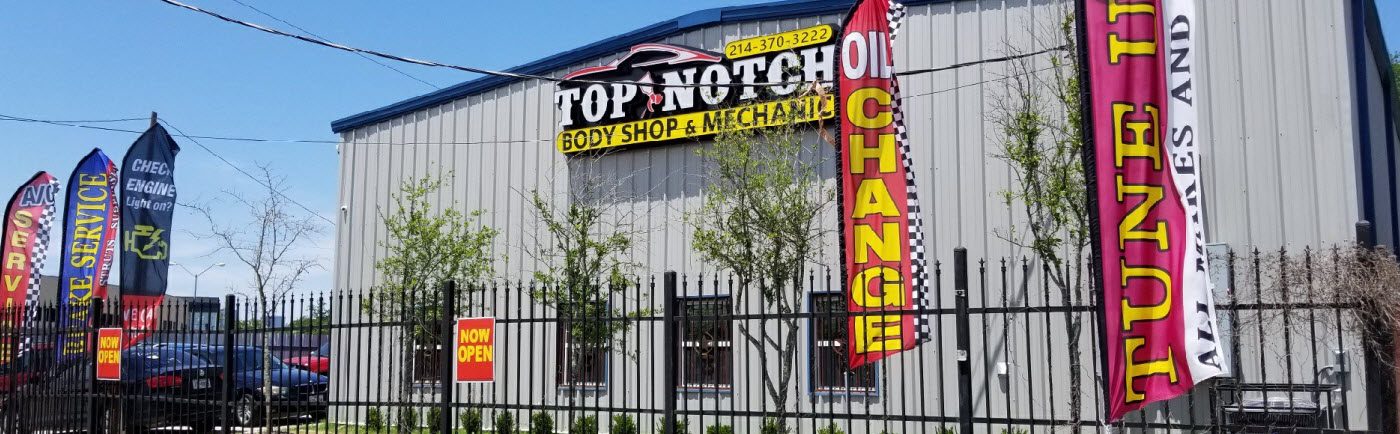
Advanced Driver Assistance Systems (ADAS) are now standard in most modern vehicles, offering features like lane-keeping assistance, adaptive cruise control, collision avoidance, and blind-spot monitoring. These systems rely on cameras, sensors, and radars that must be precisely aligned to function correctly. Even a slight misalignment can reduce accuracy, compromise safety, or cause features to malfunction. Because of this, ADAS calibration has become an essential part of vehicle maintenance. Knowing when calibration is needed helps ensure your car’s safety systems perform exactly as designed. In this blog post, the experts from Top Notch Body Shop & Mechanic share when it’s needed.
After a Collision
Any type of accident, even a minor one, can affect the position or accuracy of ADAS sensors. Cameras mounted behind the windshield or within the vehicle’s body can shift from impact, and radar sensors located in the grille or bumper may be knocked out of alignment. Even if the damage isn’t visible, the internal components might still be affected. After any collision, professional ADAS calibration ensures the sensors are recalibrated back to factory specifications so the vehicle’s safety systems operate reliably.
Following Windshield Replacement
Many modern vehicles have forward-facing cameras attached to or mounted near the windshield. When a windshield is replaced, even the slightest variation in glass angle or placement can change the position of these cameras. Because ADAS features depend on accurate data, a new windshield almost always calls for camera recalibration. This process ensures that features like lane departure warnings and traffic sign recognition continue to function with precision.
Changes to Suspension or Wheel Alignment
Your vehicle’s ride height and alignment directly influence the angle of ADAS sensors. If the suspension is repaired, replaced, or modified, it can shift the vehicle’s geometry enough to affect how sensors read the road. Similarly, wheel alignment adjustments may require recalibration to ensure the system’s measurements remain accurate. Even routine changes, like installing new tires, can sometimes impact certain systems if the size or type differs from the original specifications.
After Body or Bumper Repairs
Radar sensors are often located in the front bumper, rear bumper, or grille area. When these components are removed, repaired, repainted, or replaced, the sensors can be bumped or repositioned without being visibly off. Paint thickness or new brackets can also affect how signals travel. Because these details matter for sensor accuracy, ADAS calibration ensures the system can correctly detect distance, speed, and surrounding objects after any bodywork.
Dashboard Warning Lights or System Alerts
If your vehicle displays warnings such as “camera unavailable,” “radar blocked,” or “ADAS malfunction,” calibration could be necessary. These alerts indicate the system senses an error, obstruction, or misalignment. While sometimes related to dirt or weather, persistent warnings should always be checked by a trained technician to determine if recalibration is needed.
Keeping Your Vehicle’s Safety Features Reliable
ADAS calibration is essential anytime a sensor’s position, angle, or visibility is affected. Ensuring the system is properly calibrated keeps your safety features working as intended, giving you peace of mind every time you drive. When in doubt, consult the certified technician from Top Notch Body Shop & Mechanic to confirm whether recalibration is required. Let Top Notch Body Shop & Mechanic handle it from there.
